
Archive for category: Sheds

Like any place where you “put your stuff,” things can quickly get overwhelming and overcrowded. While self-discipline is always needed to put things away where they belong, outfitting your shed with the right organizational tools and storage options will help you keep things in tip-top shape.

First, think about what items you need to store. Do you have a lot of small items? What about tools? How about large items like a mower or tractor? And what about chemicals and other things that should be stowed out of reach from kids and pets? Once you have an idea of your inventory, you’ll be able to decide the best way to organize your shed. (You could take your inventory a step further and get rid of duplicate items, perhaps a yard sale?)

Then, imagine your new space. If you have lots of small items, you might want to install shelves and get bins and baskets. If you have a lot of long-handled yard tools, you’ll want to get some hooks. Here are a few storage ideas to consider:

Hooks on the doors – hang your yard and garden tools (rake, hoes, etc.) on the inside door; this will free up your walls for shelving.

Shelves, shelves and more shelves – install wooden or open-metal shelves along the walls, and feel free to go high as you can (store items not used often on top). An option is to purchase shelving units. Add a variety of heights to allow for different-size items. Peg boards are also a smart organizational option.

Declutter – get some bins to place smaller items in; this will keep your shelves and surfaces neater.

Exterior hooks – don’t forget that you can make use of the outside walls to hang tools—or even decorations.

Finally, head on out and purchase the materials you need, and get to work on installing and reorganizing. And remember—the new design and layout is one thing, but putting things away is another!

One final thing to consider as you plan to organize your shed: a bigger shed to make more room for your items!
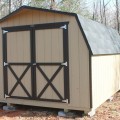
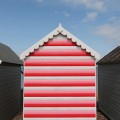
Think of your storage shed or other outdoor structure as an extension of your house. This means keeping it in mind for larger landscaping projects, or using it as the focus for its own design theme. Here are a few things to consider when thinking about landscaping around your structures.

Landscaping

Adding landscaping around the perimeter—or part of the edges—of your outdoor structure adds some beauty to your backyard. There are more ideas here than a blog post could possible contain—but consider the flowers and plants that best suit your personality, desired look and the climate in your area. You may also think about planting shrubs, bushes or a tree or too.

Hardscaping

Don’t forget that brick and stone can be beautiful AND functional. Consider building a path made of brick or stone.

Accents

Aside from plants and stones, consider what else can add to the atmosphere. Trellises (with climbing vines!), birdhouses or birdbaths, benches, sun dials, metal folk art, and more can be nice touches.

Water Features

Small ponds or fountains can add to the ambiance of the area, too.


Whether you want to make the backyard building a part of a larger theme or if you want it to serve as an anchor to a separate project, there are many, many ideas to explore. You’re only limited by your imagination!

Want to dress up your storage shed? From adding pops of color to finding news uses for your structure, here are a few ways you can upgrade your storage shed and make the most out of your outdoor space.

Give it a Paint Job

It’s seem so simple—just to slap on a new coat of paint. But don’t underestimate the power of color and how it can freshen up your shed and your entire yard. Choose a vibrant shade with a complementary trim color—maybe an accent shade for the doors.

Add Window Dressing

If your shed doesn’t already have shutters, consider adding some. They really can add to the look of your shed! While you’re at it, install some flower boxes and fill with colorful varieties. This literally adds some life to your outdoor structure.

Tack on Décor

A nice shade doesn’t have to be the only thing covering your exterior walls. Consider adding outdoor-safe adornments such as signs, barn stars or other decorative accents. An awning can be a nice touch, too.

Create a Functional Space

Have you ever thought of creating a small sitting area? The side of your shed can become a nice place to relax; just add on a small deck or patio and top with outdoor furniture.

Remodel or Install New Features

A few other ways to upgrade your storage shed including adding vinyl siding, which also adds more protection, or putting in skylights. There are plenty of things you can do to the interior, such as new storage options and other organizational projects.

Ready to upgrade your shed or find the perfect structure for your space? Valley Structures offers high-quality sheds built to last. Visit one of our locations or contact us today to explore styles, options, and custom features for your ideal space.

Keeping our homes secure is important to our safety and well-being—and protects are personal belongings from theft or damage. We are keen about locking our doors and windows when we’re not home, and, often, invest in security systems. It’s just as important to protect our outbuildings. Here are some tips on how to keep your structures safe and secure, whether a shed, barn, playhouse, animal shelter or gazebo.


Lock Your Doors and Windows

Depending on what you keep in your shed, there could be a pretty penny worth of items inside, from expensive power tools to sports equipment. Make sure you have adequate, working locks on all doors and windows—this means bolted (not screwed) through the door and reinforced with a steel plate. If using padlocks, make sure they are the thicker kind. The ‘key’ part here is to make sure you lock the windows and doors after every use.

Mind Your Windows

In addition to locking your windows, there are a few other things you can do to protect your shed. For instance, make sure the windows are covered so that would-be burglars can’t be tempted by what they see inside. Also, you can install metal grills—or even chicken wire—on the inside of shed windows to prevent thieves from breaking in that way.

Install Outdoor Lighting

Lighting is a huge theft deterrent. Consider installing motion-detector security lights on your outdoor structures. This will spook burglars—and alert you (or your neighbors) that something isn’t right.

Put in an Alarm

If you’re really concerned about the safety of your shed, consider installing a security system. There are less expensive alternatives to the high-tech, monitored solutions, but will still help keep you safe and secure.


Our outdoor structures are an extension of your home—and contain valuable items. We should give their protection the same consideration.

Top Tips for Spring: Get Your Shed & Garden Ready for the Season

The pops of color in pristine gardens and the meticulous landscaping you see each spring and summer doesn’t happen overnight—there’s a lot of thought, preparation and hard work that goes into these projects. And it all starts about this time of year.

Here, we’ll provide a few top tips on getting your shed ready for spring, as well as some spring gardening tips.

Get Your Shed Ready

Your shed might sit dormant during the colder months—unless of course that’s also where you keep your snow removal equipment! But, either way, your outdoor structure and the items inside it might need a little TLC after winter:

  • Check for leaks; repair if necessary
  • Clean siding and windows; make necessary repairs/touch-ups
  • Check any hooks, inside or outside; secure/repair/replace if necessary
  • Check around foundation for debris/holes; clean and repair as needed
  • Clean and sharpen your tools; repair and replace items, if necessary

Early-Spring Gardening Tips

While there’s an exhaustive list of tips we could share about getting your garden ready for spring, here are a few that might require immediate attention:

  • Remove winter mulch; clean debris from around plants and trees
  • Clean repair garden structures/features (gates, fences, trellis, birdbaths, etc.)
  • Prune and trim plants and trees
  • Start a compost pile, and start with your debris from spring clean-up efforts
  • Revitalize soil and add mulch
  • Plan what you want to plant; order seeds

Your structures are practical—they store items or provide a sanctuary. But they also add to the look and feel of your property. That’s why you need to weatherproof them against rain, ice, sleet, snow and even sun by following these tips is critical to keeping them functional.

Flooring

First things first. When you’re installing your structure, you need to consider the floor. We might instantly think of a solid roof when it comes to leak-proofing a building, but moisture can also come from the ground. It’s best if your structure is elevated slightly, perhaps six inches above the earth. Pay attention to the quality of your foundation. If your structure is already up before your experience these moisture issues, you could look into raising it.

Roofing

Choosing the right pitch for your roof based on the average rain and snowfall of your locale is a good starting point. Flatter roofs don’t last as long as their sloped counterparts in areas that receive a significant amount of heavy snow. Selecting the right roofing material for your climate also plays a role here; maybe a metal roof is a better option, or perhaps shingles will do just fine.

To weatherproof your existing roof, you could install a rubber membrane along the bottom edges. Or you could also upgrade your roof to a more durable material.

Exterior

You can protect your entire wooden structure—weather it is a shed, garage or gazebo—from the elements by sealing it. Wood absorbs moisture, so using a sealer and/or oil-based paint adds a barrier between your walls and water. Don’t forget interior walls—these can be sealed too. Also, it’s important to note that the sun can also do damage. Consider a sealant or exterior paint that also protects against harmful UV rays.

Remember to routinely inspect your structures for signs of weather damage so you can get to any repairs before major issues arise. By staying one step ahead of Mother Nature, you can keep your structures in tip-top shape.

Leveling Your Valley Structures Building

Leveling your Valley Structures storage building begins as we offload the storage shed onto 4 – 4 x 8 x 16 cap blocks, one at each end of the outside skids. We then place the level on the floor inside the Valley Structures building. We use a jack, sometimes two jacks, to raise the shed until it is level side to side with the highest of the initial 4 blocks.

Using a shovel, we level off the spots where we place the blocks at the base of each pier. We use only as many blocks as are necessary to level with the highest point. Next, we adjust the level to check for front-to-back leveling and adjust the block in the piers as required to ensure that the Valley Structures building is level both side to side and front to back.

Support Points Based on Building Size

The size of your Valley Structure building determines the number of points we support. The general “rule of thumb” is to place supports every 6 to 8’ along the outside skids and at the ends of the inside skids. But, this rule may be altered by how you intend to use the storage shed, such as a shop with heavy equipment versus general storage.

Choosing the Right Blocks

Please speak with our staff, and we will ensure it’s level to suit your specific usage. We use the following types of blocks to level your building: 2”, 3”, and 4” cap blocks, and 8” open web blocks. A 4” cap block is used at the base of each support pier. We never use an 8” open web as the base block, as it tends to sink more quickly.

Fine-Tuning the Level

Once the shed is less than 2” out of level, we use pressure-treated decking and Cedar shims to fine-tune the leveling. These materials can withstand the elements.

When you think of roofing, a shell of framed timber probably comes to mind. But there’s also an array of hardware involved in supporting your structure’s roof. Ties and hangers are crucial components, usually made of steel, that are made to resist tension. Let’s a take a look at some varieties.

Rafter Ties

Rafter ties hold together the bottoms of opposing roof rafters to keep the walls from spreading apart.

Joist Hangers

Joist hangers strengthen a load-bearing connection. These components come in many sizes, dictated by the size of the beam. Experts will agree that using the proper nails—and proper amount of nails—affect the integrity of the installation.

Hurricane Ties

Hurricane ties are often used in homes in areas prone to severe windy weather. So, if your residential or commercial buildings need hurricane ties, then you should also consider them for your outdoor structures. Nail hurricane ties are to the bottom of a rafter or truss and connect to the wall plate to prevent the uplifting of trusses.

Seismic Ties

Like hurricane ties, seismic ties help hold things together—literally—when things shake up. Regions impacted by earthquakes use seismic ties to secure items to walls. For example: machinery, appliances, desks, filing cabinets or shelving.

New & Improved 2016 Economy Line

This month, we at Valley Structures are excited to announce some new and exciting changes to our Economy line of storage sheds. This line has been popular since its introduction last year. These barns will offer you the same amount of storage space at a reduced cost. They are available in the Barn and Cottage styles. You can add, change, or move options as needed, based on your specific needs or backyard requirements. For instance, if you need a loft for additional storage or reinforced flooring, we can add these options to suit your needs better. On the taller-sided buildings, you have the option of placing your doors on the side of the structure.

Here are just a few of the specs:

  • LP Smartside Silver Tech siding, painted to your choice of color, 5/8 plywood flooring, and one window standard.
  • They will be available in widths of eight, ten, and twelve feet, and up to twenty feet in length.

As with all of our other sheds, we manufacture each one at our plant located in Dayton, VA, here in the beautiful Shenandoah Valley. Every Economy Shed is constructed with the same attention to detail as our standard sheds. We have a large inventory at our sales office in Penn Laird, VA, which is always open to the public.

Please stop by or give us a call at your convenience to schedule your shed delivery.